When you think of a bulk hamper—those generous baskets filled with fruit, artisanal cheeses, and gourmet treats—you probably imagine a beautiful, sturdy box or a reusable tote that keeps the goodies safe during transport. But behind the curtain of that delightful presentation lies a perplexing question: why is it hard to find eco-friendly packaging for bulk hampers? This article will unpack the mystery, explore the obstacles, and offer practical ways to make your hampers both sustainable and stunning.
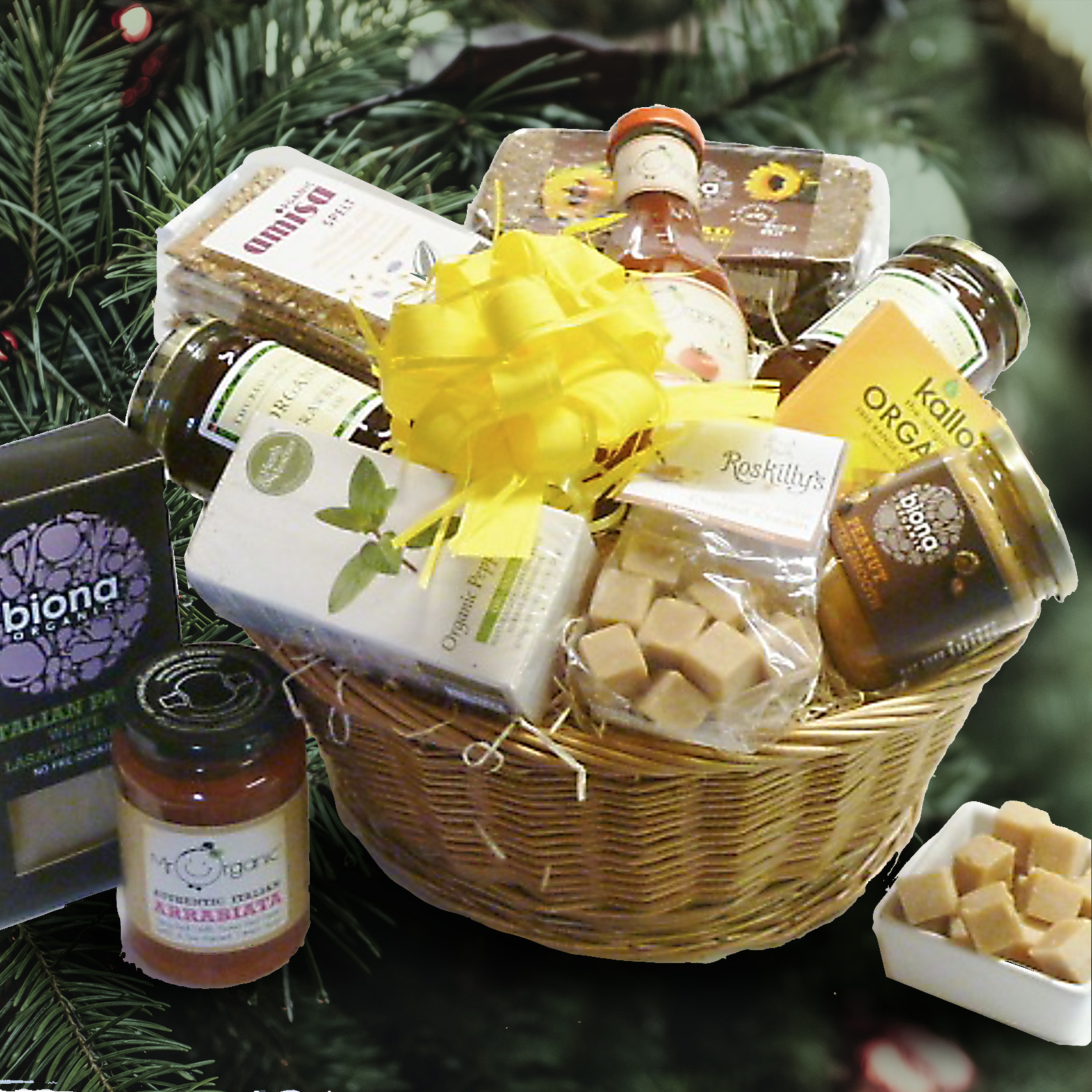
The Allure of Bulk Hampers
What Makes Bulk Hampers Special
Bulk hampers are more than just a collection of goods; they’re a curated experience. They’re often given as gifts, used for corporate events, or sold in markets where the presentation can make or break the sale. The visual appeal—bright colors, textured paper, and a sturdy structure—creates an emotional connection with the buyer.
Common Packaging Choices
Most vendors Christmas gift hamper rely on:
- Corrugated cardboard boxes: lightweight, recyclable, but not always eco‑friendly if sourced from non‑sustainable forests. Plastic clamshells: durable and resealable but a major environmental concern. Wooden crates: sturdy and premium, yet costly and difficult to source sustainably.
These options are readily available, inexpensive, and easy to assemble, which is why they dominate the market.
The Eco‑Friendly Packaging Quest
Why Eco-Friendly Options Are Scarce
The scarcity of green packaging for bulk hampers stems from a mix of supply chain constraints, cost pressures, and design challenges. When you ask a supplier, “Can you give me a biodegradable, recyclable, and sturdy box?” the answer is often a polite “We’ll see.” The reasons are layered:

- Limited production volumes: Eco‑friendly materials are often produced in smaller batches, leading to higher unit costs. Regulatory uncertainty: Certifications like FSC or BPI add administrative overhead. Performance gaps: Some green materials don’t yet match the durability of traditional cardboard or plastic.
Cost vs. Sustainability Trade‑Off
A quick math check shows that a sustainably sourced cardboard box might cost 20–30 % more than a conventional one. For a retailer selling a hamper for $50, that extra cost can eat into margins, especially when bulk orders are involved. This economic reality forces many businesses to prioritize price over planet.
Barriers to Finding the Right Material
Material Availability and Supply Chains
Sourcing eco‑friendly materials is like hunting for a unicorn in a forest of suppliers. The supply chain is fragmented, and small producers often lack the distribution networks of large manufacturers. As a result:
- Long lead times: Green materials can take weeks or months to arrive. Limited customization: Many eco‑friendly options come in standard sizes, restricting design flexibility.
Structural Challenges: Weight, Durability, Design
Bulk hampers need to protect fragile items while remaining visually appealing. Traditional cardboard can bend under weight, and biodegradable plastics may degrade too quickly. Designers must balance:
- Weight: Heavier materials increase shipping costs. Durability: The package must survive stacking, handling, and transport. Aesthetics: The look and feel of the packaging influence consumer perception.
These constraints create a perfect storm that makes eco‑friendly packaging hard to find.
Practical Tips for Finding Eco‑Friendly Packaging
When the market feels like a maze, here are some actionable steps to navigate it:
- Research certifications: Look for FSC‑certified paper or biodegradable plastic labels. Ask for samples: Request prototypes to test strength and appearance. Negotiate bulk discounts: Even eco‑friendly suppliers may offer better rates for larger orders. Explore local suppliers: Regional producers often have shorter supply chains and can customize designs. Consider hybrid solutions: Combine recyclable cardboard with a reusable inner tote for added protection.
By following these steps, you increase the likelihood of finding a sustainable solution that doesn’t compromise on quality.
When to Compromise and When to Innovate
Choosing the Right Balance
Sometimes a perfect green solution isn’t available, and compromise is necessary. Ask yourself:
- Is the packaging reusable? Reusability can offset the lack of biodegradability. Does it use recycled content? Even if not fully sustainable, recycled materials reduce environmental impact.
If the compromise aligns with your brand values, it may be a practical stop‑gap.
DIY and Custom Solutions
For those willing to experiment, DIY packaging can be a game‑changer. Here’s a quick recipe:
- Materials: Recycled cardboard, natural dyes, plant‑based glue. Process: Cut and fold the cardboard into a box, decorate with hand‑painted motifs. Outcome: A unique, fully recyclable package that tells a story.
Remember, the creative process itself can become part of the product’s appeal.
The Future of Bulk Hamper Packaging
Emerging Materials
Innovation is already underway:
- Mushroom‑based packaging: Mycelium composites that are biodegradable and strong. Seaweed paper: A fast‑growing, renewable resource with a low carbon footprint. Plant‑based plastics: Polylactic acid (PLA) derived from corn starch, which can be composted.
These materials promise to reduce the gap between sustainability and performance.
Industry Collaboration
Sustainability thrives on collaboration. By joining forces with other brands, suppliers, and NGOs, businesses can:
- Share best practices. Pool resources for research. Influence policy.
Think of it as a collective effort to turn the “hard to find” into “easy to find.”
Making Your Selection Count
Choosing eco‑friendly packaging for bulk hampers is more than a logistical decision; it’s a statement about your brand’s values. When you pick a sustainable option, you’re telling your customers that you care about the planet as much as you care about their experience. And that, in turn, builds trust and loyalty.
So next time you’re assembling a hamper, pause and ask: Why is it hard to find eco‑friendly packaging for bulk hampers? The answer may lie in a complex web of economics, supply chains, and design challenges—but with the right knowledge and a willingness to innovate, you can turn that challenge into an opportunity.
If you’re ready to explore greener packaging options, start by reaching out to local suppliers, request samples, and evaluate their sustainability credentials. Every small step counts toward a larger goal: a world where beautiful hampers don’t come at the cost of the environment.