When you’re putting together a gift basket, you might think the only challenge is picking the most delicious treats. But in today’s diverse world, a thoughtful basket also means catering to dietary restrictions. Whether the recipient is gluten‑free, vegan, or simply looking to avoid the dreaded peanut, the key is to blend taste with sensitivity. In this guide, we’ll walk through the steps of how to handle special dietary requests in gift baskets so your gift feels both personal and inclusive.

Ever wondered how to make a gift basket that fits every diet? Or how to avoid the awkward moment when someone realizes the “chocolate bar” is actually a chocolate‑filled chocolate bar—gluten‑free, of course? Let’s dive in.
Understanding the Landscape
Before you reach for the first box of truffles, take a moment to understand why dietary preferences matter. In many cultures, food is a statement of identity and health. A small oversight can feel like a faux pas. By acknowledging these nuances, you position yourself as https://blogfreely.net/kinoelaqcg/h1-b-gift-basket-delivery-for-corporate-gifting-trends-1849-a-modern-take a thoughtful giver, not just a confectioner.
The Rise of Dietary Awareness
- Allergies: Peanut, tree nuts, shellfish, and soy are among the top allergens. Health Choices: Gluten‑free, keto, low‑sugar, and dairy‑free options are increasingly popular. Ethical Considerations: Vegan, fair‑trade, and locally sourced products appeal to a growing eco‑conscious audience.
A Quick Anecdote
Last Christmas, I received a “chocolate‑filled” gift basket from a coworker. The surprise turned into a scramble when I realized the chocolate bars were filled with a peanut‑based ganache. A quick call to the company’s gift coordinator, and they sent a replacement—this time, a peanut‑free, dark‑chocolate assortment. The lesson? Even the smallest ingredient can make a big difference.
Planning the Basket
A well‑planned basket is like a well‑written story: clear, engaging, and satisfying. Start by gathering essential information.
Assessing the Recipient’s Needs
- Ask for dietary preferences or restrictions directly or through a discreet questionnaire. Consider any medical conditions that might affect food choices (e.g., diabetes, hypertension). If in doubt, lean toward neutral, universally accepted items—think dark chocolate, dried fruit, or artisanal crackers.
Creating a Balanced Menu
A balanced basket balances flavors, textures, and nutritional value. Think of it as a mini‑menu: appetizer, main course, dessert, and a beverage. Here’s a quick template:
- Appetizer: Gluten‑free crackers or nut‑free seed crackers. Main Course: A savory spread (e.g., hummus or a dairy‑free cheese alternative). Dessert: A sweet treat that aligns with dietary needs (e.g., sugar‑free chocolate). Beverage: Herbal tea or sparkling water.
Choosing the Right Products
Now that you’ve mapped the structure, it’s time to fill it with goodies. The goal is to curate items that not only taste great but also honor the recipient’s restrictions.
Gluten-Free Options
- Whole grain rice cakes Gluten‑free oat bars Dark chocolate with a high cocoa percentage
Nut-Free Selections
- Seed crackers (pumpkin or sunflower) Dairy-free cheese spreads Nut-free granola
Vegan and Dairy-Free Choices
- Coconut‑based chocolate Plant‑based yogurt or cheese Vegan jerky made from soy or mushrooms
Low-Sugar Alternatives
- Sugar‑free dark chocolate Unsweetened dried fruit Low‑glycemic nuts (almonds, walnuts)
**Bullet Point List of Ideal Gift Basket Staples
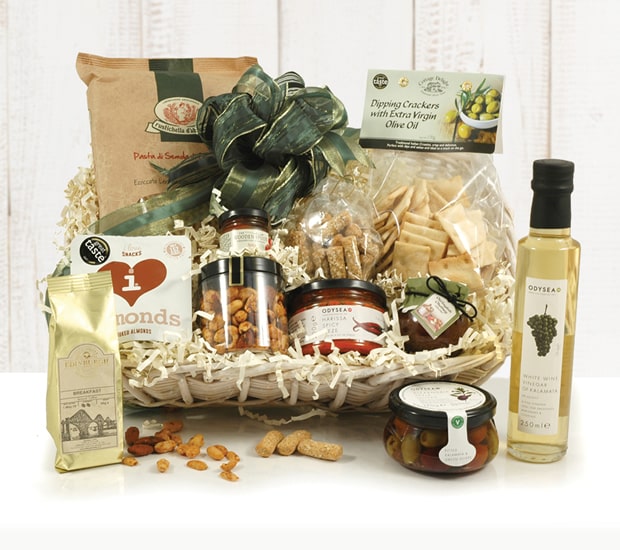
- Sweet : Dark chocolate, dried fruit, sugar‑free gummies Savory : Hummus, sunflower seed butter, low‑salt crackers Beverage : Herbal tea, sparkling water, coconut water Decoration**: Fresh herbs, edible flowers, small wooden serving board
A Quote to Remember
> “The best gifts are those that show you care.”
> — Anonymous
Packaging and Presentation
Presentation is the final flourish that can elevate or undermine your thoughtful selection. Think of packaging as the envelope that carries your message.
Labels and Clear Communication
- Use clear, legible labels indicating dietary details (e.g., “Gluten-Free,” “Vegan,” “Nut-Free”). Consider a small card with a brief note: “Enjoy responsibly—no nuts, no gluten, all love.”
Eco-Friendly Materials
- Reusable wicker baskets or bamboo trays Compostable paper or cardboard wrapping Natural dyes for ribbon or twine
A Metaphorical Touch
Imagine your basket as a blank canvas; every item is a brushstroke. The colors (flavors) must blend harmoniously, and the final picture should leave a lasting impression.
Communicating with Your Client
If you’re a gift basket provider or corporate gifting manager, clear communication is paramount. Ask the right questions and confirm details before finalizing.
- Initial Inquiry: “Do you have any dietary restrictions or preferences we should be aware of?” Confirmation: “Just to confirm, you’d like a nut‑free, gluten‑free, and dairy‑free basket, correct?” Follow‑Up: “Here’s a preview of your selections. Does everything look good?”
Rhetorical Questions for Reflection
- “Would you prefer a sweeter or more savory basket?” “Is there a particular brand or ingredient you love?”
Common Pitfalls and How to Avoid Them
Even seasoned gift givers can stumble. Knowing the common mistakes helps you sidestep them.
Overlooking Hidden Allergens
- Many processed foods contain hidden traces of nuts or gluten. Always read labels or consult with suppliers.
Underestimating Portion Sizes
- A single chocolate bar can be a large portion for someone monitoring sugar intake. Opt for smaller, bite‑size treats.
Neglecting Cultural Sensitivities
- Some cultures avoid certain foods (e.g., pork, alcohol). Ask discreetly if any cultural or religious restrictions apply.
The Idiom: “Don’t Put All Your Eggs in One Basket”
Diversify your selections to cater to multiple preferences. This reduces the risk of a mismatch and broadens appeal.
The Perfect Gift Awaits
By combining thoughtful planning, careful product selection, and clear communication, you can create a gift basket that not only delights the senses but also respects dietary needs. Think of it as a culinary symphony—each ingredient plays its part, and together they create harmony.
When you hand over that basket, you’re not just giving a collection of goodies; you’re offering a personalized experience that says, “I know you, I care about you.” The next time someone unwraps your carefully curated basket, they’ll remember not only the flavors but also the thoughtfulness behind them.
Ready to start crafting your next inclusive gift basket? Reach out to trusted suppliers, gather your recipient’s preferences, and let your creativity shine. The hampers Canberra world of dietary‑friendly gifting is vast—explore it, experiment, and most importantly, enjoy the process.